
Weekly Wellness Practice
The Zinc Taste Test and Repletion Protocol
At Princeton Integrative Health, we often see zinc deficiency hiding in plain sight. Symptoms like fatigue, weakened immunity, slow wound healing, thinning hair, and skin issues are frequently attributed to stress, aging, or hormone changes before anyone evaluates zinc status.
One of the challenges is that traditional blood tests don’t always tell the full story. Most zinc is stored inside your cells, not circulating in the bloodstream, which means serum levels may appear normal even when your body is running low.
Fortunately, there’s a simple and informative way to get an initial sense of your zinc status at home.
The Zinc Taste Test
The zinc taste test uses liquid zinc sulfate, which is widely available at health food stores. To perform the test, hold a small amount of the liquid in your mouth for about ten seconds and pay attention to the taste.
If it tastes like plain water with little to no flavor, it may suggest that your zinc levels are quite low. A mild mineral or slightly metallic taste can indicate a moderate deficiency. A strong, unpleasant metallic taste that makes you want to spit it out usually indicates that your zinc status is sufficient.
While this test is not a definitive diagnostic tool, it can provide useful insight into potential nutrient depletion and may help guide the next steps in addressing a possible deficiency.
The Repletion Protocol
If the zinc taste test produces little to no taste, a short-term zinc repletion protocol may be helpful.
Many practitioners recommend taking 30–60 mg of zinc daily for several weeks, followed by retesting with the taste test to evaluate progress. As zinc levels improve, the metallic taste typically becomes stronger and more immediate.
Once this happens, many individuals transition to a lower maintenance dose.
It’s important to remember that zinc and copper compete for absorption in the body. Long-term zinc supplementation without proper balance can lead to unintended nutrient imbalances. This is why we always recommend working with a practitioner who can help guide supplementation based on your unique needs and health goals.
Nutrient of the Week
Vitamin K
Many people associate vitamin K with blood clotting—and while that role is important, it represents only a small part of what this nutrient actually does.
At Princeton Integrative Health, we often discuss vitamin K in the context of bone health, cardiovascular protection, and proper calcium metabolism.
Why Vitamin K Matters
Calcium is essential for bone health, but it needs proper signaling in the body to be used correctly.
Without the guidance of vitamin K, calcium can end up depositing in places it shouldn’t—such as the arteries—rather than being directed into bones and teeth where it supports strength and structure.
Vitamin K activates specific proteins that guide calcium to the right locations while helping prevent calcification of soft tissues and blood vessels.
For patients concerned about bone density, heart health, or arterial calcification, vitamin K is often an important part of the conversation.
It also works closely with vitamin D, which helps the body absorb calcium. When vitamin D levels rise without sufficient vitamin K, calcium may not be properly directed in the body. Supporting both nutrients together helps maintain balance in this system.
There are two primary forms of vitamin K:
• Vitamin K1 – supports blood clotting and is primarily found in leafy green vegetables
• Vitamin K2 – plays a key role in directing calcium to bones and away from arteries
Where to Find It Naturally
Dark leafy greens are excellent sources of vitamin K1. Foods like kale, spinach, collard greens, Swiss chard, and broccoli provide substantial amounts.
Vitamin K2 is less common in modern diets and is found primarily in fermented and animal-based foods. One of the richest sources is natto, a fermented soybean dish that is widely consumed in Japan, though its taste can be challenging for many Western palates.
More approachable sources include hard cheeses, egg yolks, grass-fed butter, chicken liver, and certain fermented vegetables.
If your diet consistently lacks these foods, targeted supplementation may be worth discussing with your healthcare provider.

Featured Recipe
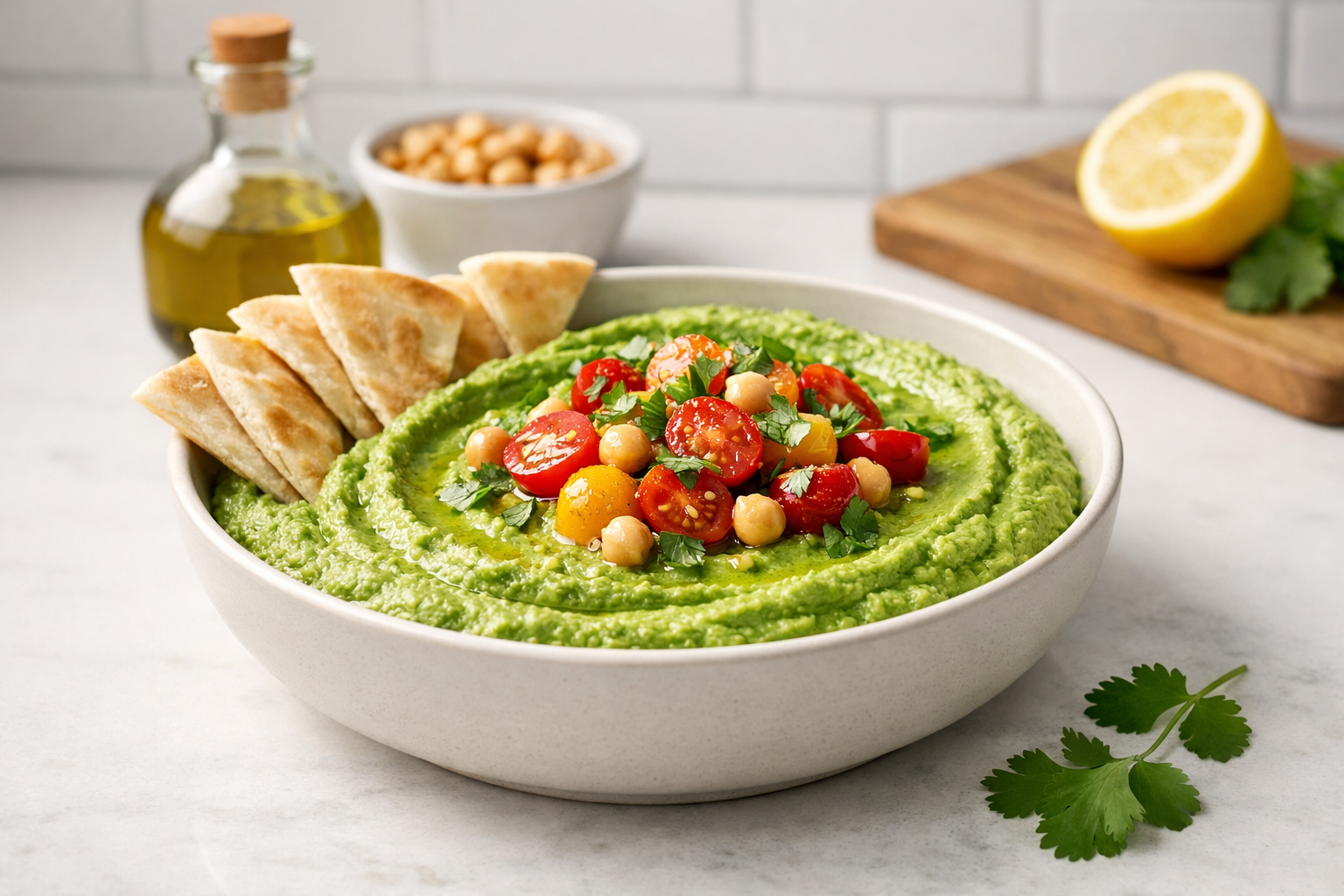
No-Bean Hummus
Love hummus, but your digestive system doesn’t?
You’re not alone. While traditional hummus is made with chickpeas, many people experience bloating, gas, or digestive discomfort after eating legumes.
This version offers a lighter alternative by replacing chickpeas with fresh zucchini, creating a dip that’s just as creamy and flavorful—but far easier to digest.
Tahini provides the richness and nutty depth that hummus is known for, while lemon juice adds brightness and cumin delivers the warm flavor profile most people expect from this classic dish.
The result is a smooth, satisfying dip that feels familiar without the digestive heaviness.
Where to Use It
This no-bean hummus works anywhere traditional hummus would.
Use it as a dip for raw vegetables, spread it inside lettuce wraps, add a spoonful to grain bowls, or serve it alongside grilled chicken or roasted vegetables. It’s a versatile option that adds flavor without overwhelming your digestion.
Why It’s Worth Making
One of the best parts of this recipe is its simplicity.
There’s no soaking, cooking, or waiting required. Simply add the ingredients to a blender or food processor, blend until smooth, and it’s ready in minutes.
For anyone following a lower-carbohydrate diet, managing digestive sensitivities, or simply looking for a lighter alternative to traditional hummus, this recipe can easily become a regular staple.
What’s Calling Your Attention This Week?
Improving your health doesn’t always require a major overhaul. Often, it begins with a single insight that helps something click into place.
Maybe it’s trying the zinc taste test and realizing your body may need more support.
Maybe learning how vitamin K directs calcium changes how you think about bone and heart health.
Or perhaps a simple recipe like no-bean hummus gives you a nourishing snack option that finally feels good for your digestion.
Pay attention to what sparks curiosity.
The habits that create lasting change rarely feel forced. They feel like small, meaningful steps that align with what your body has been asking for all along.
We’re here to support you every step of the way.
In good wellness,
The Team at Princeton Integrative Health