
Weekly Wellness Practice
Mouth Taping — A Simple Nighttime Habit for Better Sleep & Immunity
It sounds unusual at first. Taping your mouth shut before bed. But this simple practice has gained traction for good reason—it trains your body to breathe the way it's designed to.
Why Nasal Breathing Matters
Your nose isn't just for smelling. It filters air, warms it, humidifies it, and produces nitric oxide—a compound that improves oxygen uptake and supports immune function. When you breathe through your mouth at night, you bypass all of that. You also dry out your oral tissues, disrupt sleep quality, and increase the risk of snoring or sleep apnea.
Chronic mouth breathing affects more than just sleep. It can alter jaw development in children, contribute to dental issues, and leave your nervous system stuck in a low-grade stress response.
How to Try It
Start simple. Use a small piece of medical-grade paper tape or specialized mouth tape designed for this purpose. Apply it vertically over closed lips before bed. If you feel anxious at first, try it during a daytime nap to get comfortable with the sensation.
Most people notice a difference within the first few nights—deeper sleep, less morning brain fog, reduced dry mouth. At Princeton Integrative Health, we see this practice support everything from chronic fatigue to immune resilience in patients willing to give it a try.
One note: if you have untreated nasal congestion or sleep apnea, address those issues first. This practice works best when nasal passages are clear.
Nutrient of the Week
Chlorophyll — More Than Just Green Pigment
Walk into any health food store and you'll see chlorophyll supplements lining the shelves. Liquid drops. Capsules. Powders. The marketing pitches it as a detox miracle. But what does chlorophyll actually do?
What Makes Chlorophyll Special
Chlorophyll is the compound that gives plants their green color. Its molecular structure closely resembles hemoglobin—the protein in your blood that carries oxygen. That similarity isn't coincidental. Chlorophyll supports oxygen delivery at the cellular level, which impacts energy production, tissue repair, and overall vitality.
Research also points to its role in supporting the body's natural detoxification pathways. Chlorophyll binds to certain environmental toxins and heavy metals, helping escort them out of your system. It also acts as an internal deodorizer—reducing body odor and freshening breath from the inside out.
Some studies suggest benefits for skin healing, liver support, and even cancer prevention, though more research is needed in these areas.
Where to Find It
You don't need a supplement to get chlorophyll. Dark leafy greens contain the highest concentrations. Spinach, kale, arugula, parsley, and cilantro all deliver meaningful amounts. Wheatgrass, spirulina, and chlorella offer concentrated plant-based sources as well.
Eating these foods raw or lightly steamed preserves more of the chlorophyll content. Heavy cooking breaks down the structure and reduces its potency.
If you do choose a supplement, look for chlorophyllin—a semi-synthetic form that absorbs more easily than natural chlorophyll. Quality and sourcing matter. Work with your practitioner to find what fits your needs.

Endometriosis Awareness Month
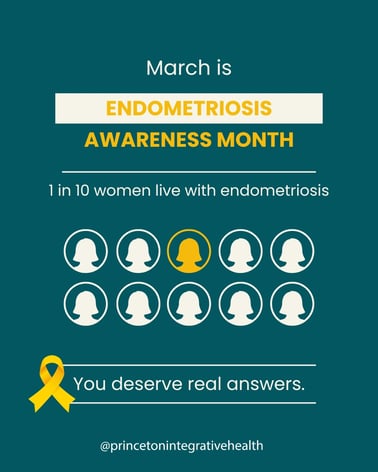
Endometriosis Symptom Tracker — Document Your Experience
March is Endometriosis Awareness Month. For the millions of women living with this condition, getting a proper diagnosis often takes years. Symptoms get dismissed. Pain gets normalized. And by the time someone finally listens, the disease has often progressed.
Why Tracking Matters
Endometriosis presents differently in every woman. Some experience debilitating pelvic pain. Others deal with heavy periods, digestive issues, or fatigue that doesn't match their cycle. Walking into an appointment and trying to recall months of symptoms from memory rarely paints the full picture.
That's where a symptom tracker becomes invaluable.
Documenting your experience—pain levels, bleeding patterns, digestive changes, fatigue, brain fog—gives your provider concrete data to work with. It also helps you identify patterns you might not have noticed otherwise. Does pain worsen after certain foods? Does it spike mid-cycle or only during menstruation? These details matter.
What to Track
Start with the basics. Note the days and severity of pelvic pain, cramping, or lower back pain. Track your menstrual flow—how heavy, how many days, any clotting. Include digestive symptoms like bloating, constipation, diarrhea, or nausea, especially if they correlate with your cycle.
Don't forget the less obvious symptoms: painful intercourse, pain with bowel movements or urination, unexplained fatigue, or mood changes that feel disproportionate to what's happening in your life.
At Princeton Integrative Health, we encourage our patients to bring this information to every appointment. It transforms vague complaints into actionable insights and helps us create a more targeted treatment plan.
[Download Our Free Endometriosis Symptom Tracker →]
Featured Recipe

Dark Chocolate Bark — Indulgence Without the Guilt
Most chocolate is loaded with refined sugar, dairy, soy lecithin, and artificial flavors. Even the "dark" varieties often hide inflammatory ingredients on the back of the label. But that doesn't mean you have to give up chocolate entirely.
This homemade dark chocolate bark lets you enjoy something rich and satisfying without compromising your health. It's dairy-free, refined sugar-free, and made with ingredients you can actually pronounce.
Cacao contains powerful antioxidants called flavonoids that support cardiovascular health, improve blood flow to the brain, and help regulate blood sugar. Paired with healthy fats from coconut oil and a touch of natural sweetness, this becomes a treat that actually fits your lifestyle.
Make a batch on Sunday. Keep it in the fridge. Reach for a piece when you need something sweet without the crash or guilt that follows conventional desserts.
At Princeton Integrative Health, we believe healthy eating shouldn't feel like deprivation. This recipe proves it.
Sustainable wellness doesn't require perfection. It requires attention.
Scan back through this newsletter and choose one thing that resonates. Maybe it's trying mouth taping for a week to see if your sleep improves. Maybe it's adding more chlorophyll-rich greens to your plate. Perhaps you start tracking your endometriosis symptoms so your next appointment is more productive. Or you make a batch of chocolate bark that satisfies your sweet tooth without derailing your progress.
Let that one thing be your focus. Not as another task on your list—but as a quiet experiment between you and your body.
Progress shows up in small, consistent steps.